Magnetic Separation Rack vs Centrifugation – Which is Better for Bead Separation?
Magnetic Rack for 384 Well Plates: High-Throughput Sample Processing
How Magnetic Racks Improve Nucleic Acid Purification Workflows
In modern molecular biology, nucleic acid purification is a critical step for downstream applications such as PCR, qPCR, sequencing, and cloning. The efficiency and reproducibility of this step often determine the success of the entire experiment. One tool that has significantly streamlined this process is the magnetic separation rack.
What is a Magnetic Rack?
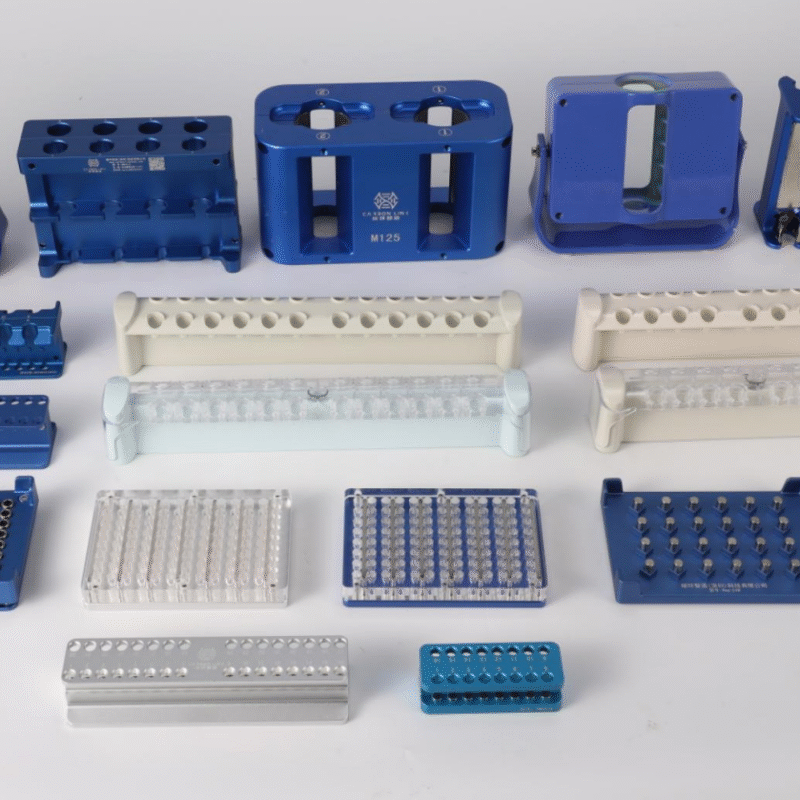
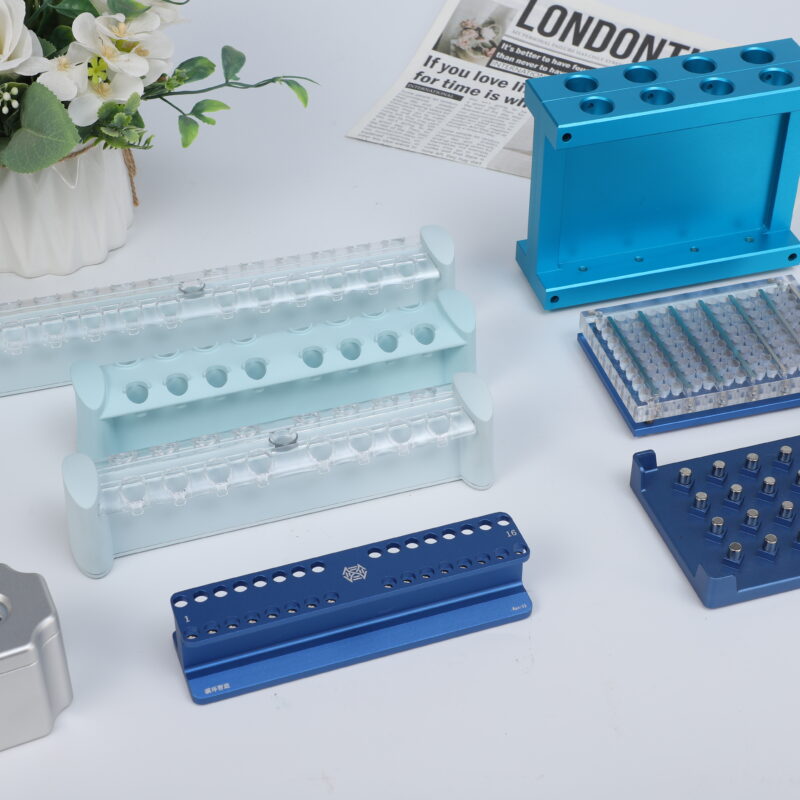
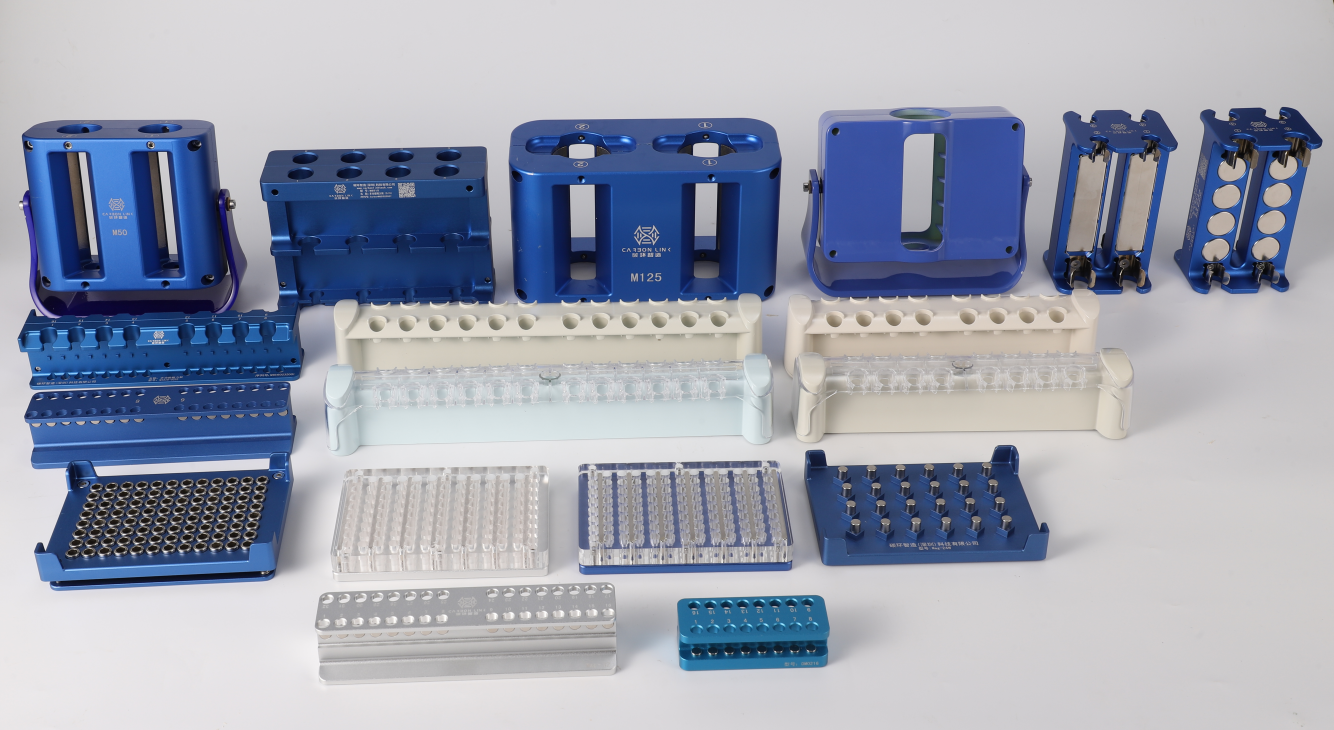
A magnetic rack is a laboratory device equipped with strong permanent magnets designed to capture and hold magnetic beads against the walls of tubes or wells. These beads are commonly coated with silica or functionalized ligands that bind DNA, RNA, or proteins. By immobilizing the beads, the rack allows researchers to easily wash away impurities and elute purified nucleic acids.
Challenges in Traditional Nucleic Acid Purification
Before magnetic bead technology became widespread, nucleic acid purification relied on methods such as:
-
Centrifugation: Time-consuming and prone to sample loss.
-
Spin columns: Effective but limited in throughput and flexibility.
-
Organic extraction (phenol–chloroform): Hazardous and labor-intensive.
These approaches often required longer hands-on time and carried higher risks of contamination or inconsistent yield.
How Magnetic Racks Improve Purification Workflows
Magnetic racks address many of these challenges by providing a faster, safer, and more reproducible workflow:
-
Speed & Efficiency
-
Magnetic separation is completed in seconds to minutes.
-
Reduces the number of centrifugation steps.
-
-
Improved Yield and Purity
-
Strong neodymium magnets ensure complete bead capture.
-
Minimizes loss of nucleic acids during washing.
-
-
Scalability
-
Available for different formats:
-
1.5 ml microtubes
-
15 ml & 50 ml conical tubes
-
96-well and deep well plates
-
-
Suitable for both low-throughput labs and high-throughput automation.
-
-
Gentle Sample Handling
-
Eliminates excessive force from centrifugation.
-
Preserves fragile nucleic acids and bead complexes.
-
-
Compatibility with Automation
-
Magnetic racks integrate seamlessly with automated liquid handling systems, improving reproducibility and reducing manual labor.
-
Applications in Nucleic Acid Purification
-
Genomic DNA isolation from blood, cells, and tissues.
-
RNA purification for gene expression studies.
-
Plasmid purification for cloning and transfection.
-
PCR cleanup to remove primers, nucleotides, and enzymes.
-
Next-Generation Sequencing (NGS) library prep, where consistency and high purity are crucial.
Choosing the Right Magnetic Rack
When selecting a magnetic rack for nucleic acid workflows, consider:
-
Tube or plate format (1.5 ml, 15 ml, 50 ml, 96-well, deep well).
-
Magnet strength for efficient bead capture.
-
Compatibility with your preferred bead-based purification kits.
-
Throughput – whether for manual processing or automated workflows.
Final Thoughts
Magnetic racks have revolutionized nucleic acid purification by offering a simple, efficient, and reliable method for bead separation. Whether you are working with small-scale PCR samples or high-throughput NGS pipelines, the right magnetic rack can dramatically improve workflow efficiency and reproducibility — making it an indispensable tool in modern molecular biology labs.