Magnetic Racks in DNA and RNA Extraction Workflows
Top Benefits of Using Magnetic Racks in Modern Molecular Biology Labs
Introduction
In modern molecular biology, efficiency and accuracy are critical for successful experiments. From DNA/RNA purification to protein isolation and cell separation, magnetic bead–based techniques have transformed laboratory workflows. At the heart of these methods are magnetic racks, essential tools that simplify separation processes. Below, we highlight the top benefits of using magnetic racks in today’s molecular biology labs.
1. Faster Workflows
Magnetic racks significantly reduce processing times. With strong neodymium magnets, bead separation is completed within seconds to minutes—much faster than centrifugation-based methods. This allows researchers to process more samples in less time.
2. Gentle Sample Handling
Unlike centrifugation, which subjects samples to mechanical stress, magnetic racks provide a gentle, non-invasive method for separating nucleic acids, proteins, or cells. This helps preserve the integrity of sensitive biomolecules, ensuring higher-quality results.
3. High Reproducibility
Consistency is vital in molecular biology. Magnetic racks provide uniform magnetic fields, leading to reproducible results across multiple experiments. This is especially important in PCR clean-up, sequencing library prep, and diagnostic assays, where variability can compromise outcomes.
4. Scalability and Flexibility
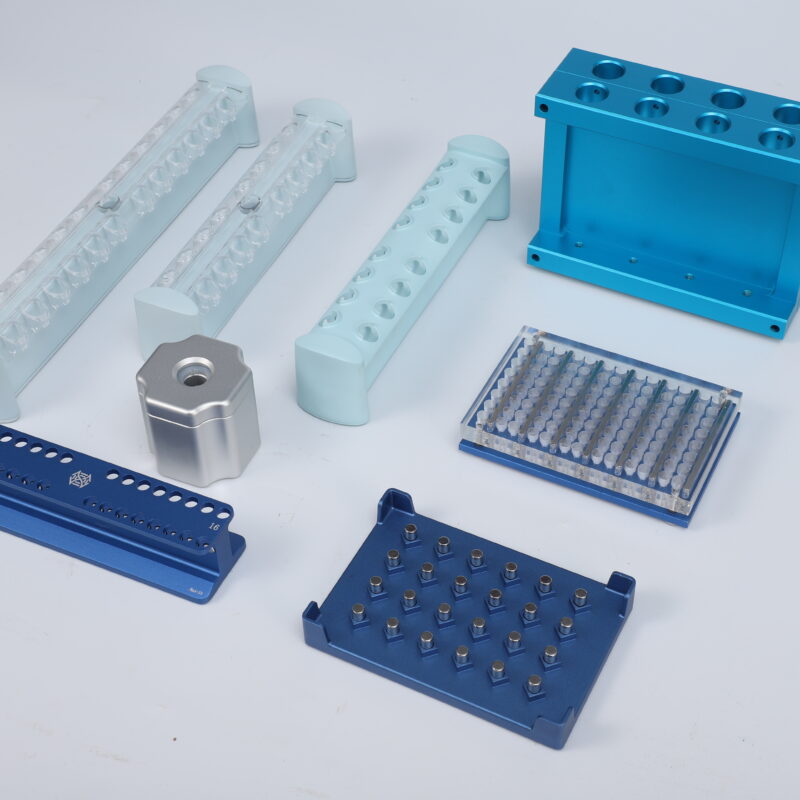
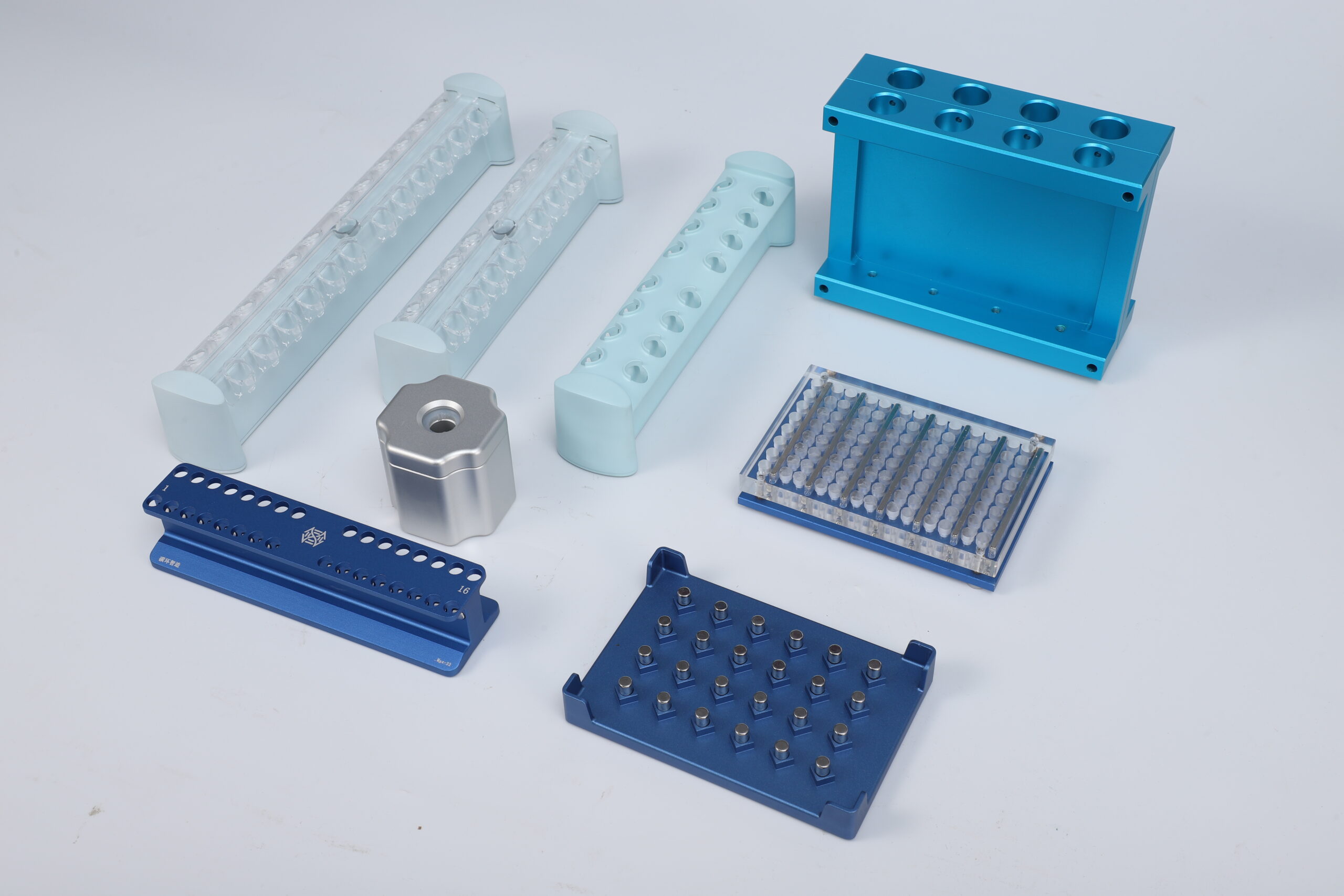
Magnetic racks are available in multiple formats, including:
-
1.5 ml and 2 ml tube racks for small-scale experiments.
-
15 ml and 50 ml racks for larger sample volumes.
-
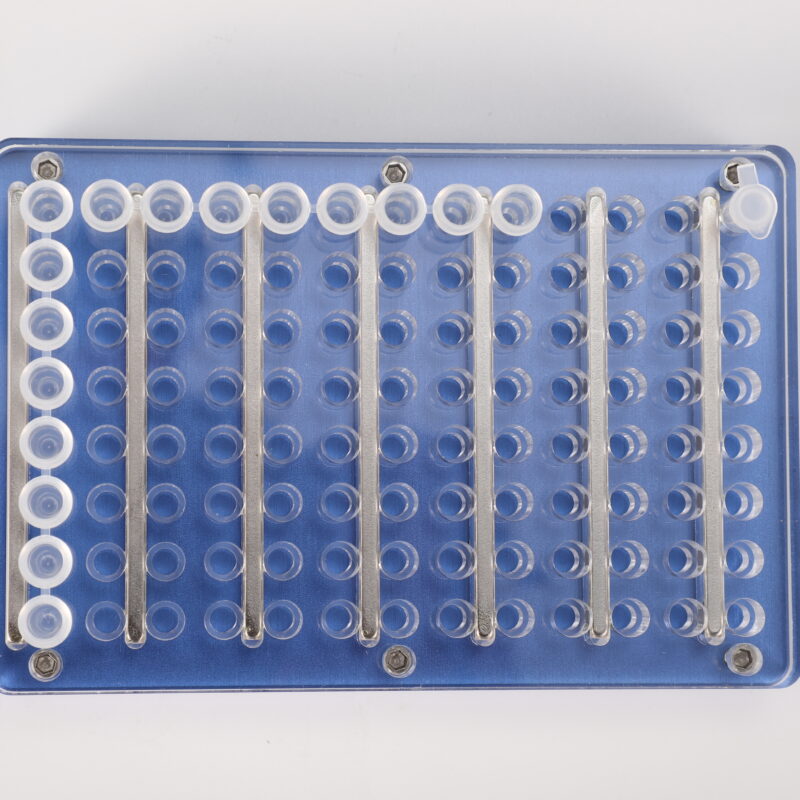
96-well and 384-well plate racks for high-throughput processing.
This makes them adaptable to diverse workflows, from academic research to industrial-scale applications.
5. Automation Compatibility
Modern labs increasingly rely on automated systems. Magnetic racks designed for 96-well or 384-well plates are fully compatible with robotic liquid handling platforms, enabling laboratories to scale up workflows without sacrificing accuracy.
6. Improved Sample Recovery
Strong magnets ensure that all magnetic beads are captured efficiently, reducing the risk of losing valuable DNA, RNA, or proteins during wash and elution steps. This results in higher yield and purity.
7. Cost-Effectiveness
Magnetic racks eliminate the need for repeated centrifugation steps, lowering equipment wear and consumable use. Furthermore, high-quality alternatives to branded racks are available at a fraction of the cost, making them budget-friendly for research institutions.
Conclusion
Magnetic racks have become indispensable in modern molecular biology labs. Their ability to save time, improve reproducibility, protect sample integrity, and scale with lab needs makes them one of the most valuable tools in molecular workflows. Whether in DNA/RNA purification, protein isolation, or high-throughput sequencing, the adoption of magnetic racks ensures that laboratories achieve reliable, efficient, and cost-effective results.