PCR Tube Magnetic Rack – Essential Tool for Magnetic Bead Separation
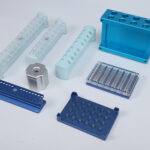
Magnetic Rack for 15 mL Tubes
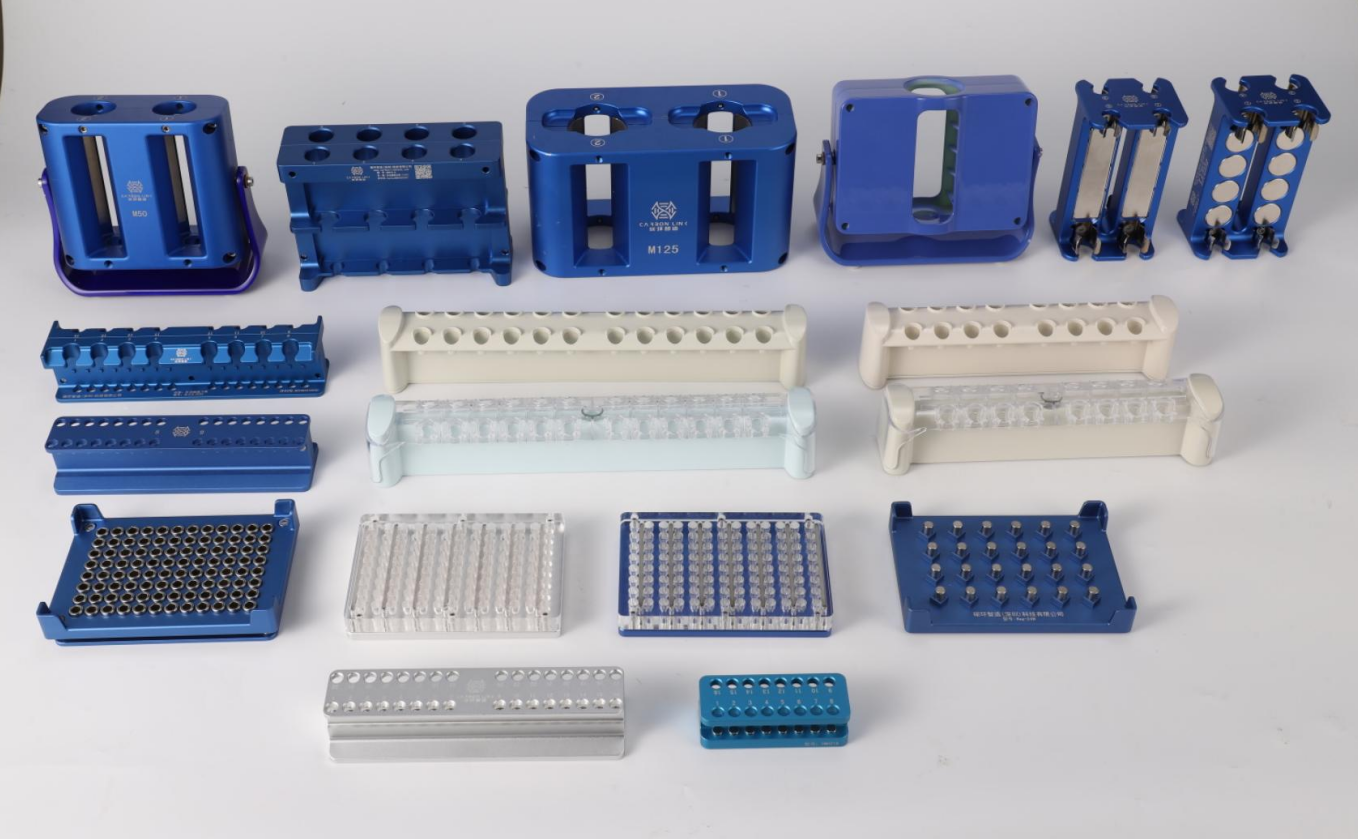
Magnetic Rack – A Complete Guide for Laboratory Use
What is a Magnetic Rack?
A magnetic rack is a laboratory tool designed to hold tubes in place while using powerful magnets to separate magnetic particles or beads from a solution. It is an essential component in workflows involving magnetic bead–based separation, such as nucleic acid extraction, protein purification, and immunoassays.
How Does a Magnetic Rack Work?
Magnetic racks use strong permanent magnets to attract and immobilize magnetic beads inside a tube or plate. This allows researchers to remove supernatants without losing the beads, eliminating the need for centrifugation in many applications. The process is quick, gentle on samples, and compatible with automation.
Key Features
-
Versatile Compatibility – Available for PCR tubes, microcentrifuge tubes, and multi-well plates.
-
High Magnetic Strength – Fast and efficient bead capture for minimal sample loss.
-
Durable Construction – Made from robust plastics, aluminum, or stainless steel.
-
Ergonomic Design – Easy tube insertion and removal with stable positioning.
-
Chemical Resistance – Withstands exposure to common laboratory reagents.
Common Applications
-
DNA/RNA Purification – Works with magnetic bead–based nucleic acid isolation kits.
-
Protein Purification – Supports immunoprecipitation and affinity-based separations.
-
Cell Separation – Isolates specific cell types using magnetic labeling.
-
Molecular Diagnostics – Used in PCR, qPCR, and next-generation sequencing sample prep.
-
Environmental and Food Testing – For pathogen detection and sample cleanup.
Benefits of Using Magnetic Racks
-
Efficiency – Rapid separation saves time in high-throughput workflows.
-
Precision – Reduces sample loss and contamination risk.
-
Gentle Handling – Maintains integrity of sensitive biomolecules.
-
Scalability – Options available for single tubes up to 96-well plates.
How to Choose the Right Magnetic Rack
-
Tube or Plate Format – Match the rack to your sample container type.
-
Number of Positions – Choose capacity according to your throughput needs.
-
Magnetic Strength – Stronger magnets improve separation speed and recovery.
-
Application Requirements – Consider whether you need compatibility with automated systems.
-
Budget and Durability – Balance cost with build quality for long-term use.
Maintenance Tips
-
Clean after each use to avoid residue buildup.
-
Avoid dropping or exposing to strong impacts to preserve magnet integrity.
-
Store away from sensitive electronic devices.
Conclusion:
A magnetic rack is an indispensable tool in modern molecular biology and biochemistry laboratories. By streamlining magnetic bead–based separations, it helps scientists achieve faster, cleaner, and more reliable results. Selecting the right magnetic rack for your specific application ensures maximum efficiency and accuracy in your workflows.