Magnetic Rack for 384 Well Plates: High-Throughput Sample Processing
Top Benefits of Using Magnetic Racks in Modern Molecular Biology Labs
Magnetic Racks in DNA and RNA Extraction Workflows
Introduction
DNA and RNA extraction are critical steps in molecular biology research, clinical diagnostics, and biotechnology applications. The efficiency and purity of nucleic acid recovery directly influence the quality of downstream experiments, including PCR, qPCR, sequencing, and cloning. Magnetic racks, designed to separate magnetic beads bound with nucleic acids from liquid solutions, have become a preferred choice in modern laboratories due to their speed, reliability, and scalability.
What Are Magnetic Racks?
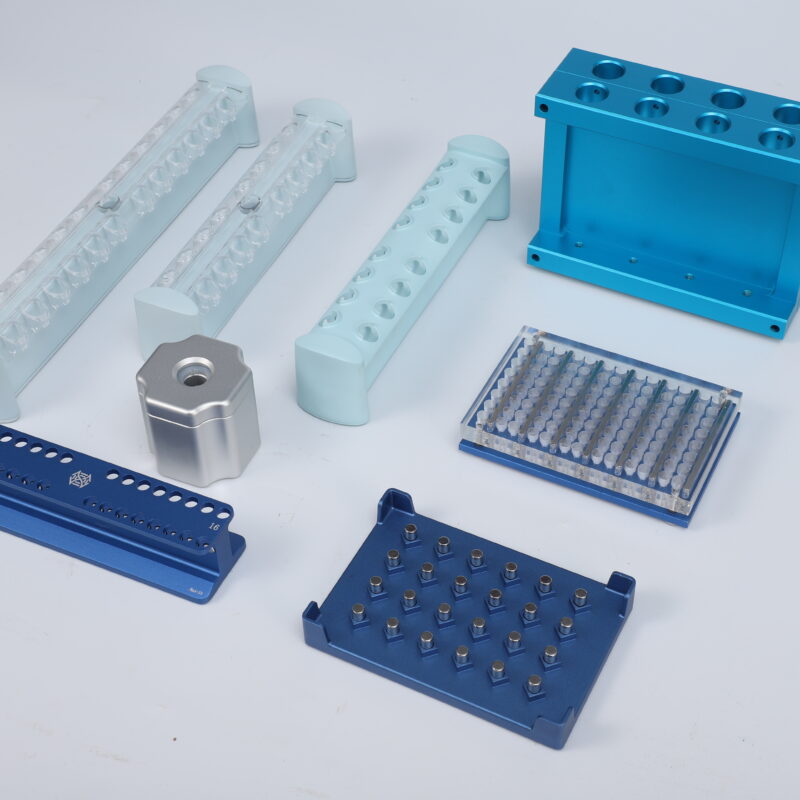
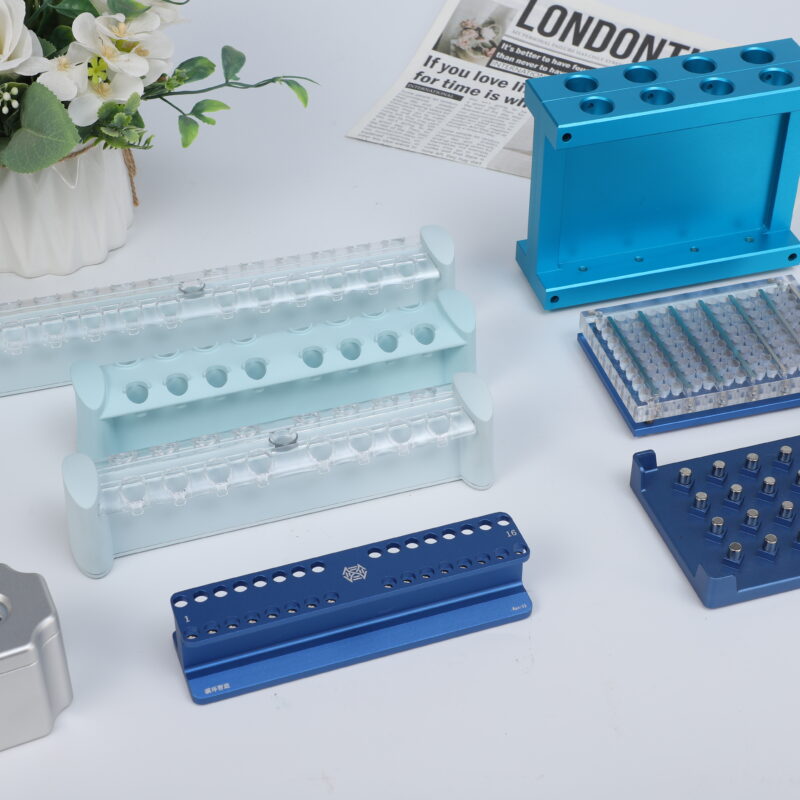
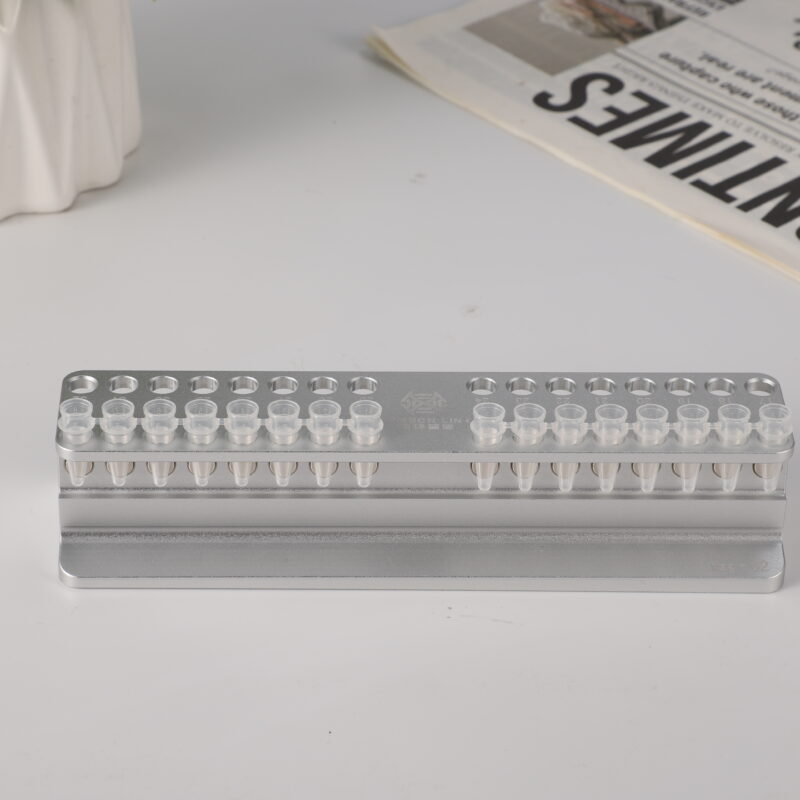
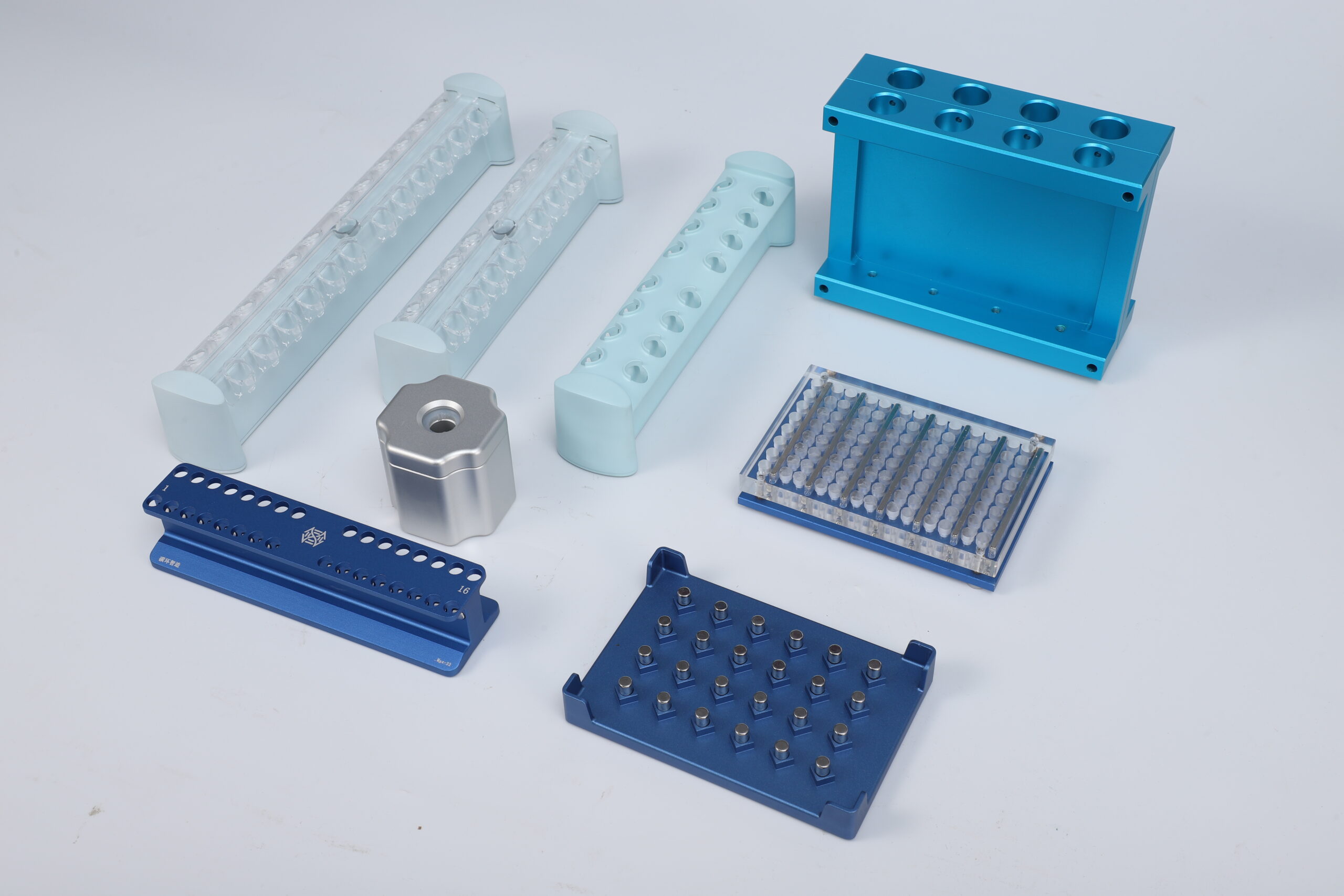
Magnetic racks (also known as magnetic separation racks) are laboratory tools equipped with strong magnets that securely hold magnetic beads during nucleic acid purification. By immobilizing the beads on the sides or bottom of the tubes or wells, magnetic racks allow researchers to remove supernatant without losing valuable DNA or RNA. They are available in different formats, including racks for 1.5 mL tubes, 15 mL and 50 mL conical tubes, and 96-well or 384-well plates, making them adaptable to a wide range of workflows.
Why Use Magnetic Racks in DNA and RNA Extraction?
Traditional nucleic acid extraction methods, such as centrifugation and filtration, can be time-consuming and labor-intensive. Magnetic racks offer several advantages:
-
High Efficiency: Enable fast bead capture and minimal sample loss.
-
Improved Purity: Reduce contamination by eliminating the need for multiple centrifugation steps.
-
Scalability: Compatible with both small-scale experiments and high-throughput automation.
-
User-Friendly: No need for centrifuge or filtration devices; separation is achieved simply by magnetic force.
Applications in DNA and RNA Workflows
Magnetic racks are widely used in:
-
Genomic DNA Extraction – Efficient isolation of DNA from blood, tissues, or cultured cells.
-
RNA Purification – Recovery of high-quality RNA for transcriptomics and gene expression studies.
-
PCR and qPCR Preparation – Purified nucleic acids improve amplification accuracy.
-
Next-Generation Sequencing (NGS) – High-purity DNA/RNA libraries are crucial for reliable sequencing results.
-
Viral RNA/DNA Detection – Rapid sample preparation for diagnostic assays, including infectious disease testing.
Choosing the Right Magnetic Rack
When selecting a magnetic rack for nucleic acid extraction, consider the following factors:
-
Tube/Plate Compatibility: 1.5 mL or 2 mL tubes for small volumes, 15–50 mL racks for large volumes, and 96/384-well racks for high-throughput workflows.
-
Magnet Strength: Strong magnets ensure complete bead capture, even with viscous solutions.
-
Ease of Use: Look for ergonomic designs that simplify pipetting and minimize sample loss.
-
Application Needs: Some racks are optimized for DNA, while others are better suited for RNA workflows.
Conclusion
Magnetic racks have revolutionized DNA and RNA extraction by offering a simple, efficient, and scalable solution. From routine PCR prep to advanced sequencing applications, they ensure high-quality nucleic acid recovery with minimal effort. For laboratories aiming to improve workflow efficiency and consistency, adopting the right magnetic rack is a cost-effective and practical choice.