Deep Well Plate Magnetic Rack
How Magnetic Racks Improve Nucleic Acid Purification Workflows
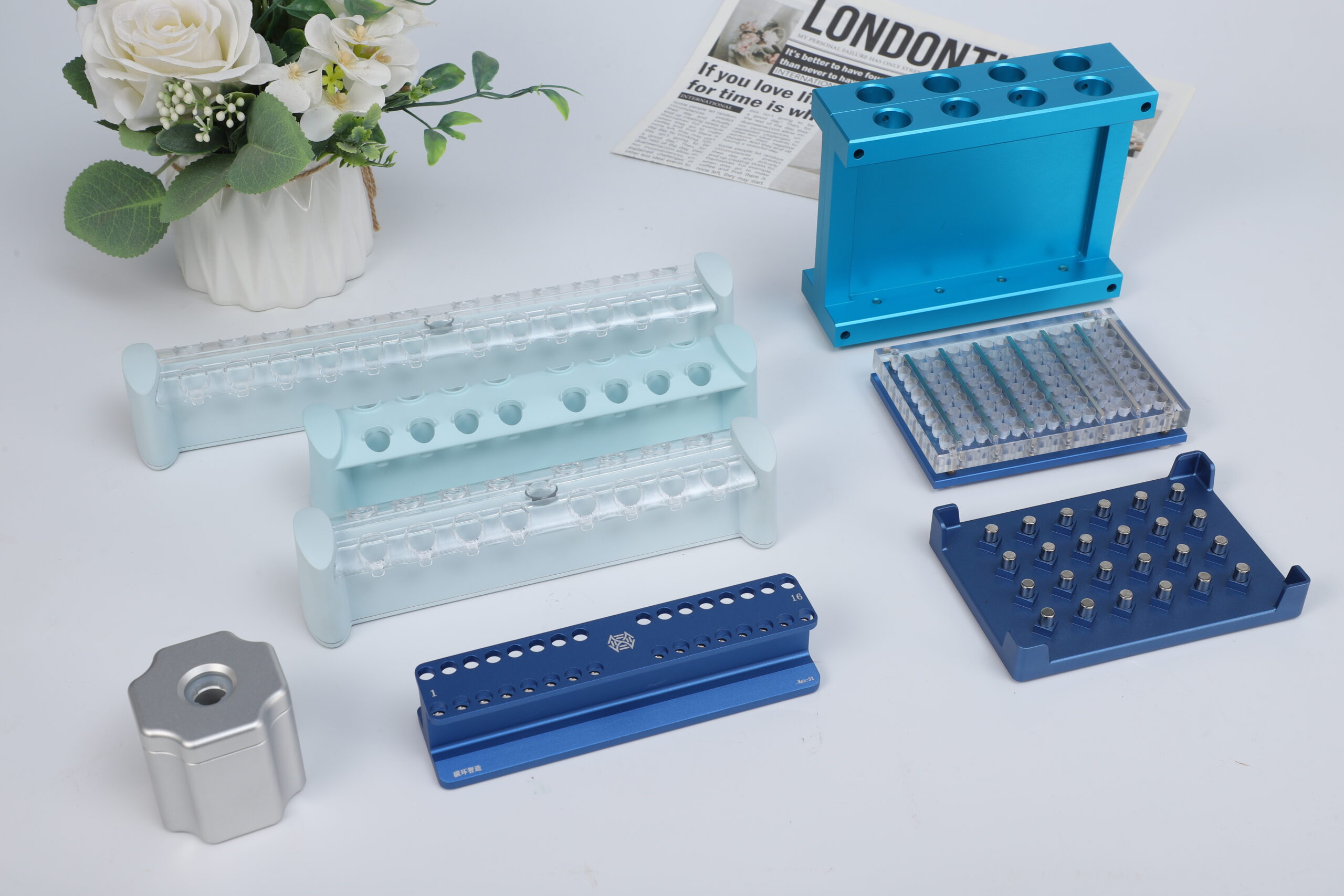
Magnetic Separation Rack vs Centrifugation – Which is Better for Bead Separation?
When it comes to nucleic acid purification, protein isolation, or immunoprecipitation, efficient separation of magnetic beads from liquid samples is essential. Two common approaches are using a magnetic separation rack or traditional centrifugation. Each method has its advantages, but understanding the differences will help you choose the right one for your lab.
What is a Magnetic Separation Rack?
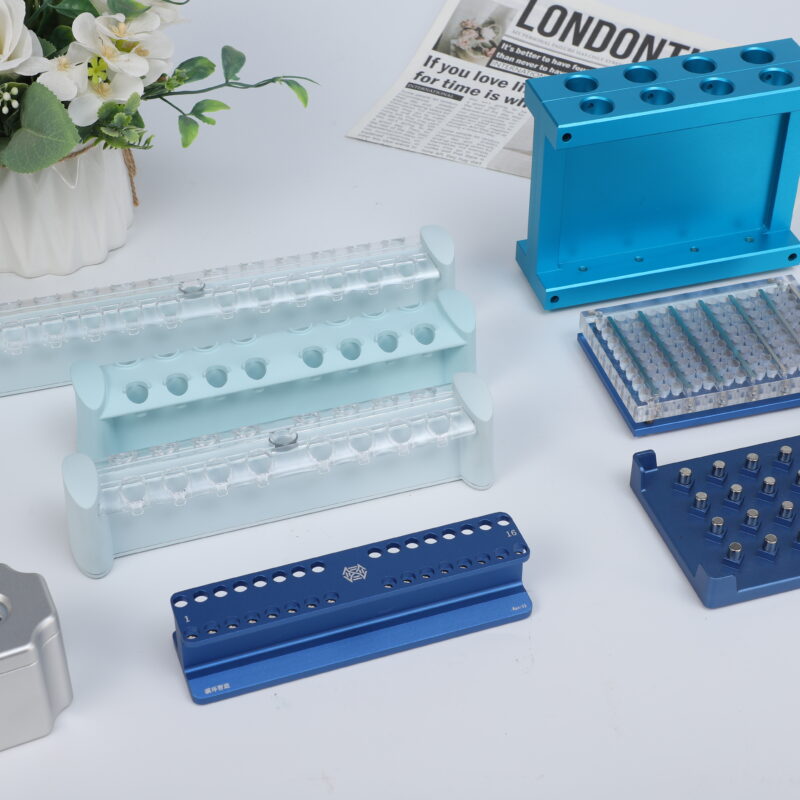
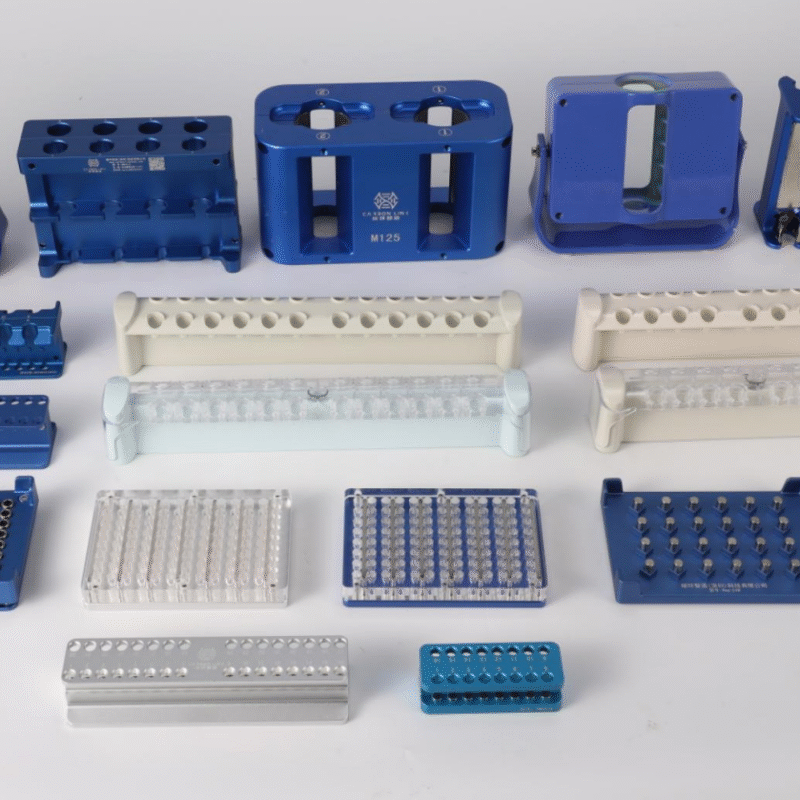
A magnetic separation rack is a specialized tool designed with strong magnets that quickly attract magnetic beads (such as those coated with antibodies, proteins, or oligonucleotides).
-
Key Purpose: Separate magnetic beads from solutions without centrifugation.
-
Main Benefit: Enables fast, gentle, and reproducible separation.
What is Centrifugation?
Centrifugation uses centrifugal force to sediment particles at the bottom of a tube. While widely used for cell pelleting or protein precipitation, it may not always be ideal for handling magnetic beads.
Key Differences Between Magnetic Racks and Centrifugation
Feature |
Magnetic Separation Rack |
Centrifugation |
|---|---|---|
Principle |
Uses magnetic field to attract beads |
Uses centrifugal force to pellet particles |
Speed |
Rapid (seconds to minutes) |
Slower (minutes to hours, depending on speed & sample) |
Sample Integrity |
Gentle, preserves bead complexes |
Higher risk of disturbing bead complexes |
Ease of Use |
Simple, no moving parts |
Requires centrifuge equipment |
Reproducibility |
Highly consistent separation |
May vary based on speed, time, and pellet disturbance |
Throughput |
Compatible with 1.5 ml, 15 ml, 50 ml tubes & well plates |
Suitable for various volumes but less specialized |
Advantages of Using a Magnetic Separation Rack
-
Gentle on samples – avoids stress that centrifugation may cause.
-
Faster workflow – eliminates repeated spin-down steps.
-
Scalable – available for 1.5 ml microtubes, 15 ml conical tubes, 50 ml tubes, and 96/384 well plates.
-
Improved reproducibility – ideal for sensitive applications like RNA/DNA purification and protein immunoprecipitation.
When to Choose Centrifugation
Centrifugation still has its place in labs:
-
Large volume cell pelleting (e.g., bacterial or mammalian cells).
-
Precipitation-based assays where no magnetic beads are involved.
-
Cases where standard lab protocols specify centrifugation.
Which is Better?
-
For magnetic bead–based applications, a magnetic rack is clearly superior due to speed, reproducibility, and gentle handling.
-
For general particle sedimentation or bulk sample concentration, centrifugation remains the preferred method.
Buying Guide for Magnetic Separation Racks
When selecting a rack for your lab, consider:
-
Tube or plate format: 1.5 ml, 15 ml, 50 ml tubes, or 96/384 well plates.
-
Magnet strength: Ensure strong neodymium magnets for fast bead capture.
-
Compatibility: Match with your bead type (DNA, RNA, protein purification).
-
Scalability: Choose racks that support both low-throughput and high-throughput workflows.
Final Thoughts
While centrifugation is a versatile tool for many lab workflows, magnetic separation racks are the gold standard for bead-based assays. They save time, improve consistency, and preserve the integrity of your samples — making them a must-have for modern molecular biology labs.